How to drive sales through social media
02/09/2018 | Share:
When you think about how people use social media, the first thing that comes to mind isn’t to buy things. People used social media to keep up to date with news, interact with their friends, discover new content, watch videos etc. But with millions of users logging on every day, it seems wrong to not try generate any sales through social media.
In this blog we look at what steps you can take to drive sales through social media.
1. Build trust
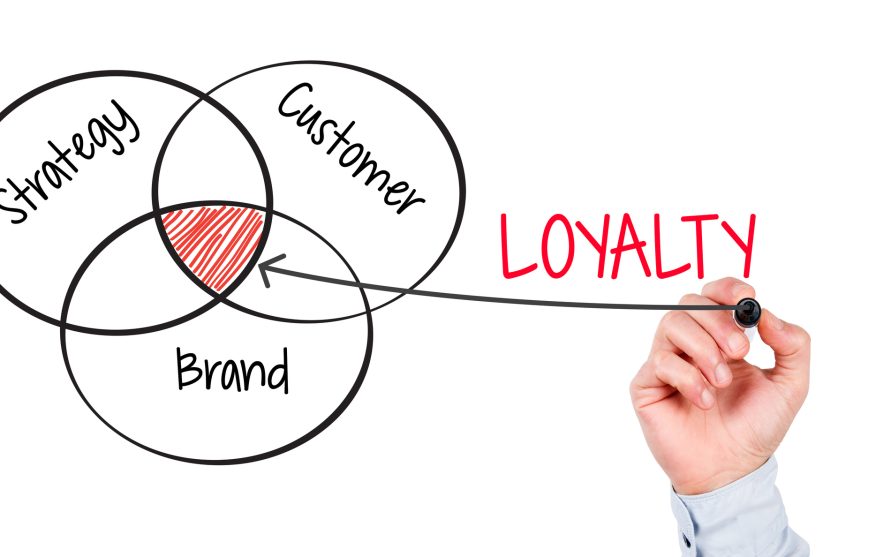
If an individual has some kind of relationship or recognition with your brand they are more likely to buy from you. The worst thing a business can do on social media is to fill their page with their products. It’s important that you share engaging and relevant content, from lifestyle photos, videos and blog posts, create a strong brand identity that your audience can connect with.
Once people realise that you are posting good quality content, they will be more likely to engage with your brand and follow your account.
2. Guide them onto your website
Now you have their attention and your audience is starting to trust and recognise your brand, it’s time to start directing them to your website.
This doesn’t mean you should start posting your products all over social media. You could write a blog and share the link. It doesn’t have to be a 5000 word essay, just something that your audience will find interesting and helpful. For blog ideas, take a look at our other post
You can share some products on social media, but it’s important it doesn’t feel ‘salesy’ and that it’s done in moderation, otherwise your followers will be put off completely. If possible, include your product in lifestyle shots, repost user-generated content with a link to to the product or share a review from a customer. Just make sure it fits with your brand image and style. By retaining the trust you have built, over time it will start to generate sales.
3. Measure your results
Although your direct sales from social media may be low, it’s important not to disregard metrics like engagement and traffic coming from your social channels.
Having thousands of followers is irrelevant if they are not engaging with your content. When people are commenting and sharing your content, they are interested in your business and your brand values and therefore more likely to covert over time. However, if your content is falling flat, it indicates that your audience doesn’t trust or aren’t interested in what you’re sharing.
Another metric to pay attention to is the amount of traffic you are receiving from your social channels. Whether it’s from people sharing your blog posts or from clicking on your product links, the more traffic you are generating the more likely you are to generate leads.
Social media is a great marketing platform that when managed correctly can open up your business to a wider audience and help to build brand awareness. However, as the name suggests, it works better as a social channel. Sharing engaging content and interacting with your audience is the best way to gain trust and succeed in social media marketing.